This page records updates and media coverage involving members of the Lab.
BBC News · 25 March 2026
High-tech birdsong network highlights rare species in Shropshire
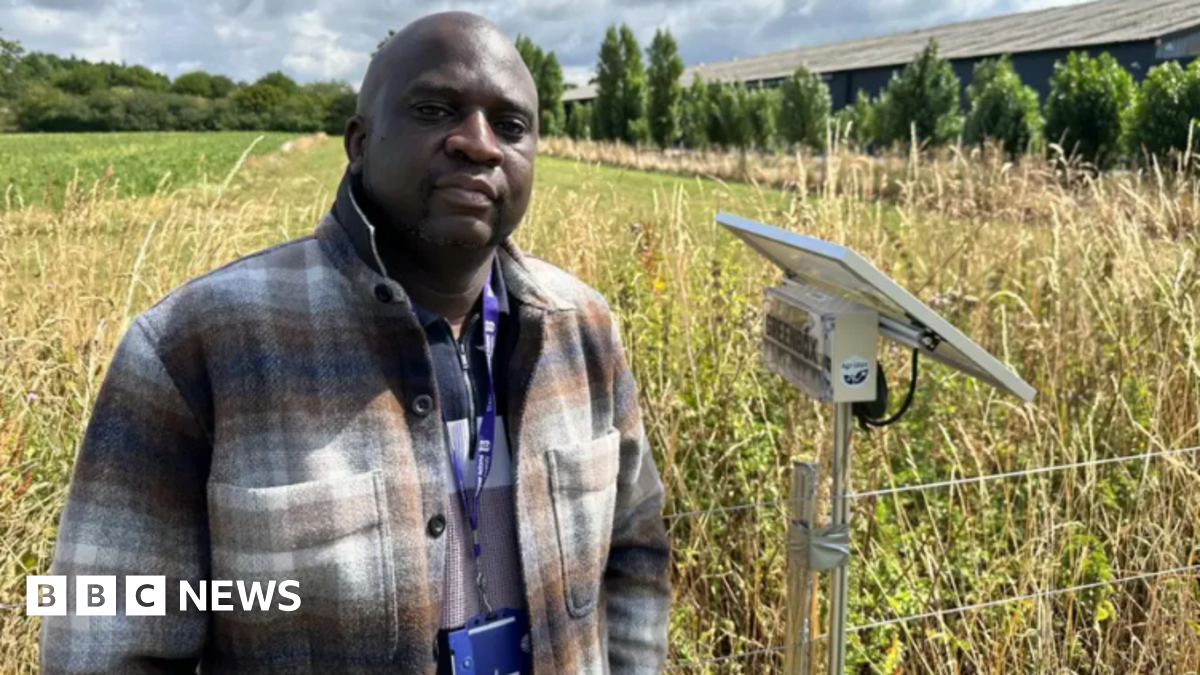
BBC News reported on the Greenbox acoustic network after its AI-assisted monitoring highlighted conservation-interest and unusual bird detections, including firecrest and pink-footed goose. The coverage explains how automated sensing is being combined with scientific review rather than treated as a substitute for expert identification.
Read the original coverage
BBC Sounds · 25 March 2026
Shropshire’s high-tech birdsong research
BBC radio explored the high-tech research behind Greenbox: a distributed network of autonomous acoustic sensors, wireless data transfer and AI-assisted analysis being used to build a richer picture of bird activity across Shropshire.
Read the original coverage
BBC News · 01 August 2025
Harper Adams birdsong project expands across Shropshire
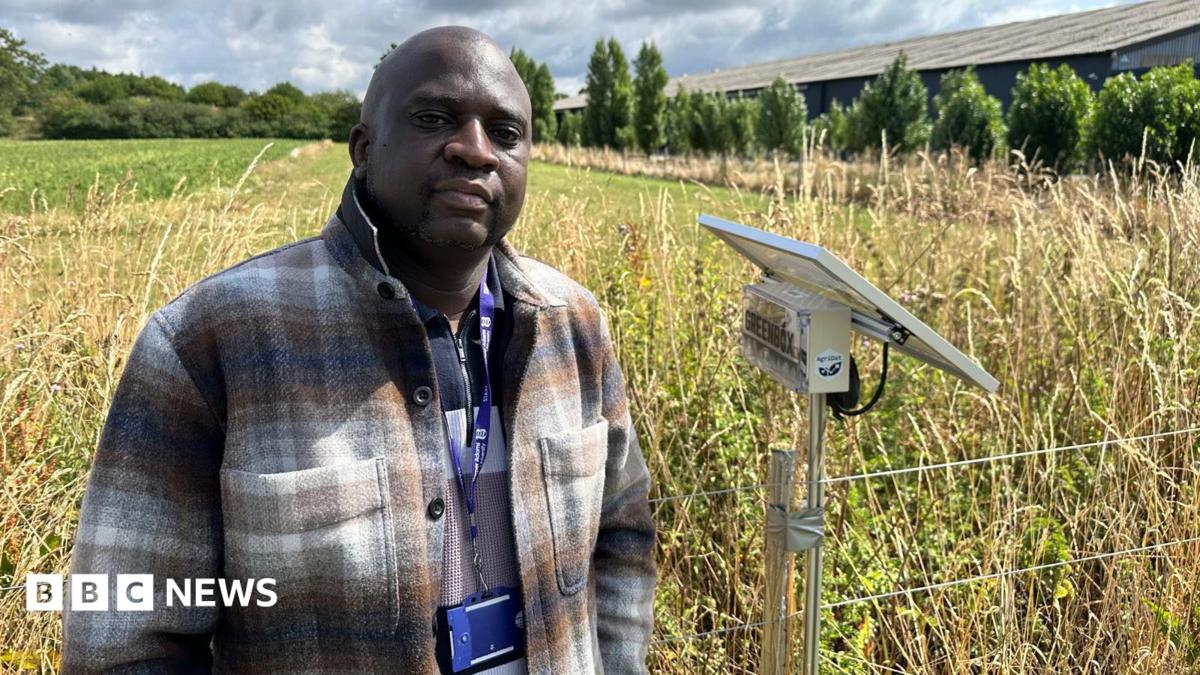
BBC News covered the expansion of the Greenbox network, describing how solar-powered field units and artificial intelligence support continuous biodiversity monitoring before researchers at Harper Adams interpret the resulting evidence.
Read the original coverage
Harper Adams University News · 25 June 2025
Causal Biosystems expertise informs Parliamentary inquiry into space technology
A Causal Biosystems researcher gave oral evidence to the House of Lords committee on how satellite communication, navigation and Earth observation are transforming agriculture, connecting crop monitoring, precision positioning, rural connectivity and data-driven crop modelling.
Read the original coverage
CUPGRA · 10 December 2024
Eric Allen Memorial Lecture: Anchoring Decisions in Data
A Causal Biosystems researcher delivered the keynote Eric Allen Memorial Lecture, ‘Anchoring Decisions in Data: what is the role for remote sensing and machine learning?’. The lecture examined how potato research and industry decisions can be strengthened by combining crop physiology, sensing, artificial intelligence and data science.
Read the original coverage